
 1 hour ago
1
1 hour ago
1
ARTICLE AD BOX
ASPEN, COLORADO — Academy Award-winning producer Brian Grazer opened up Wednesday about his artistic philosophy when it comes to making films and TV shows.
"None of my stories are left or right. I'm not political in any of my movies. 'Frost/Nixon' was just an account of an event. But I'm never political," Grazer said. "I'm only about working on universal themes to create unity with other people, so we demystify other people, other people's problems."
Grazer, who has nearly 270 producing credits, including for "Apollo 13," "A Beautiful Mind," "Arrested Development" and "24," appeared alongside "Yellowstone" director and cinematographer Christina Voros and Oscar-winning documentary filmmaker Joshua Seftel at the Aspen Institute's Ideas Festival in a discussion titled "Building Bridges at the Box Office."
DWAYNE 'THE ROCK' JOHNSON REJECTS HOLLYWOOD’S POLITICAL OBSESSION, BLASTS CELEBRITY ATTACK CULTURE
Grazer was asked by panel moderator Steven Olikara of Bridge Entertainment Labs whether Hollywood was still "curious" as many in the industry have rejected viewpoint diversity.
"Sure," Grazer responded with a grin after a long pause, sparking laughs from the audience. "I mean, some people are."
"The mechanics of the business of Hollywood has changed so significantly in the last four years, it could cause artists to be disincentivized," he said. "The compensation structure is predominantly based on a socialistic system — that was political — but in that everybody gets paid, you know, you get a streaming price. So you're not incentivized to work your ass off, feel the risk of that, own that, and fail, lose money, or make 90 million dollars or something. That's what artists can do."
"And so curiosity really always, to me, was, at the very minimum, just being polite to human beings," he continued. "If you're interested in other people. And you ask — you start — you don't look at your phone, you start talking, and you enable the other person to communicate back to you, they usually will, and you usually create a human moment. It becomes memorable, at least for the day."
On the subject of how filmmakers should celebrate the country's 250th, the famed producer insisted the idea of the "American dream" shouldn't be political.
"Be grateful to America, be kind to America. I think that's what would be really nice if that lived in the fabric of our culture," Grazer said.
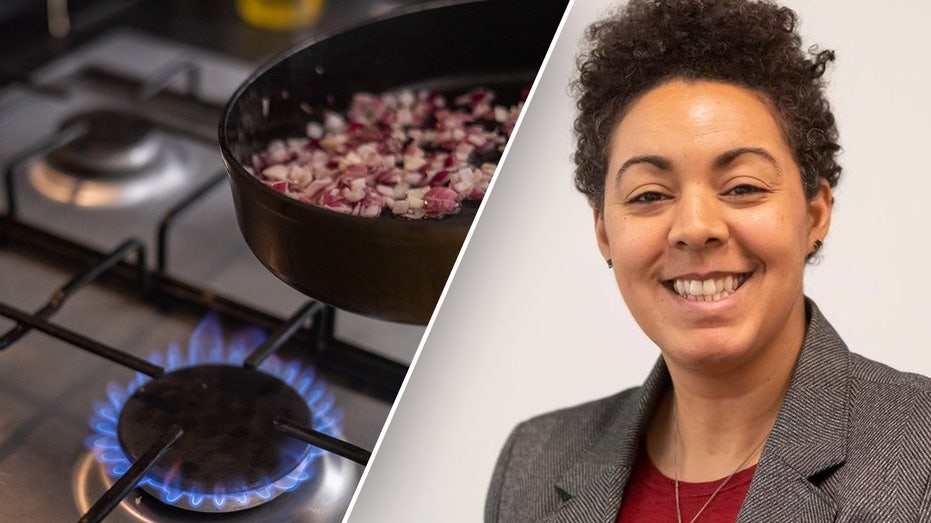
Voros, who described herself as being a Brooklyn liberal before moving to a small town in West Texas to work on shows like "Yellowstone," said she had "preconceived notions" that were proven inaccurate based on the conversations she has had with the people there.
"I think we as a culture need to be careful of the filters through which we are guided to perceive this country and the stories of this country, because you can get into an echo chamber pretty quickly, regardless of where you live or what you feel," Voros said. She described this as "one of the most important things about storytelling," adding, "It is this moment where you can kind of crack the wall open a little bit and let the light come in."
CLICK HERE FOR THE LATEST MEDIA AND CULTURE NEWS
"I think it's important in storytelling to leave space for the audience to fill in some of the soul of it themselves. If you tell someone exactly how they're supposed to feel, it's very easy for them to reject that conversation creatively at all... You need to leave that space in stories, so people can make those stories their own and draw strength or hope or curiosity from them," she continued, later adding, "I hope as an audience, we remind ourselves to seek out, which is to not carry our assumptions into every story that is brought to us, and to try and leave a little space to learn something."
Seftel similarly expressed that he "simply want[s] people to understand each other."
"It's not that hard to tell stories that help us understand each other. And I just hope we can keep doing that," Seftel said.

 English (US) ·